
Clear Planning With Smart Decisions That Shape A Finished Lower Level
Planning a basement project takes careful thought before work begins. You need clear goals, realistic costs, and a solid timeline. Many homeowners rush this stage and later face delays or added costs. A clear plan helps you avoid mistakes that can affect comfort and safety. It also helps you get more use from your home. This guide covers the main steps you should follow before any construction starts. Each step focuses on choices that protect your budget and long term value.
Understanding the Core Benefits With Proper Planning
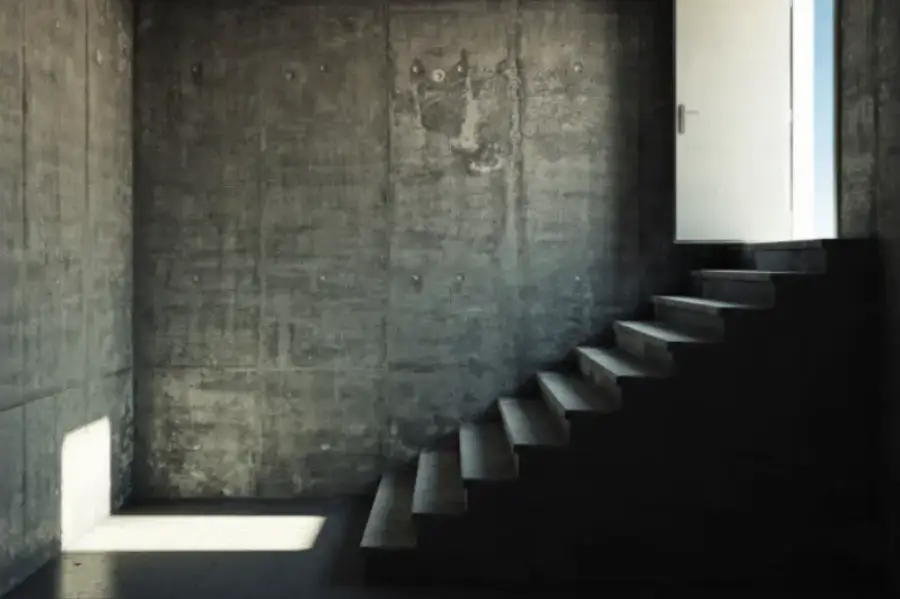
A planned project can turn unused space into a useful living area. Basement remodeling adds flexible space for families and guests. It can support a home office or a playroom. A clear plan improves comfort and safety. It also helps avoid moisture problems and layout issues later. Smart planning lets you choose materials that hold value. Many homeowners see better resale appeal when upgrades follow a clear plan.
Common Challenges Homeowners Face With Lower Level Projects
Many people face problems with moisture and lighting. Basement remodeling often uncovers hidden plumbing or wiring issues. Low ceilings can limit design choices. Poor planning can cause permit delays and budget stress. These problems can slow progress and raise costs. You can reduce stress by planning inspections early. A detailed plan helps you address risks before work begins.
Defining Your Goals With Space Function and Layout
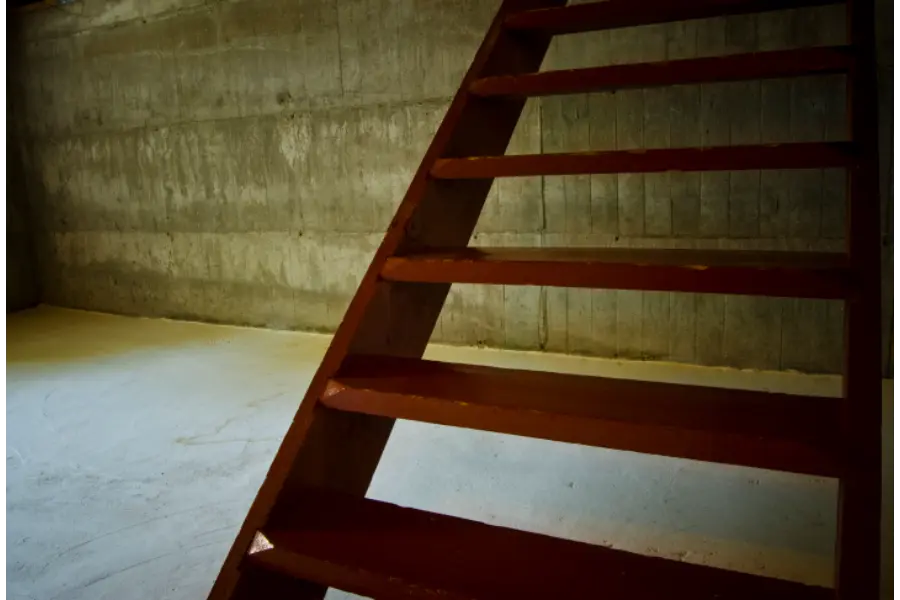
Start by deciding how you will use the space every day. Think about storage, traffic flow, and noise control. Avoid copying designs that do not fit your home. Clear goals help guide layout choices and lighting needs. Consider future needs like aging or remote work. Write down priorities and share them with your contractor. This step keeps decisions focused and avoids rework later.
Following A Step by Step Planning Process With Clear Order
A simple process keeps planning on track and reduces mistakes.
- Inspect the foundation and check for water issues
- Set a clear budget with a cushion for surprises
- Decide on layout, lighting, and storage needs
- Review permits and local code rules
- Select materials rated for below grade spaces
Best Practices With Moisture Control and Comfort
Comfort depends on moisture control and air quality. These best practices help protect the space.
- Use a vapor barrier to block ground moisture
- Install proper insulation for stable temperatures
- Add ventilation to support fresh airflow
- Choose flooring made for damp areas
Meeting Industry Standards With Codes and Permits
Every project must meet local building codes. Codes cover ceiling height, exits, and electrical safety. Many areas require egress windows for bedrooms. Permits protect you during inspections and resale. Skipping permits can lead to fines or forced changes. Ask your local office about required approvals. Planning for code rules early prevents delays.
Understanding Costs With Value and Smart Choices
Costs depend on size, layout, and finish level. Labor and moisture control often take large portions of the budget. Planning helps balance cost and value.
- Pros: added living space and better home use
- Cons: higher costs if moisture issues exist
Timelines and Coordination With Contractors
Clear timelines help keep work moving. Weather, inspections, and material delays can affect progress. Build extra time into the schedule. Regular check ins help avoid confusion. Written plans keep everyone aligned. Good coordination reduces stress and protects your investment.
Moving Forward With Confidence in Your Project Plan
Located in Kelso, WA, we help homeowners plan smart lower level upgrades. Dreamline Construction focuses on clear planning, code compliance, and lasting value. We guide projects from early planning through final checks. Call (503) 739-0000 to discuss your goals and next steps with our team.