
With A Clear Look at Each Stage From Start to Finish
New construction projects move fast and include many trades. Paint often comes near the end, but planning starts earlier. Knowing how the painting process works helps you avoid delays and poor results. It also protects your budget and schedule. From surface prep to final inspection, each step plays a role in durability and appearance. When you understand what happens and why, you can ask better questions and spot issues early. This knowledge improves coordination with other contractors and supports long-lasting finishes.
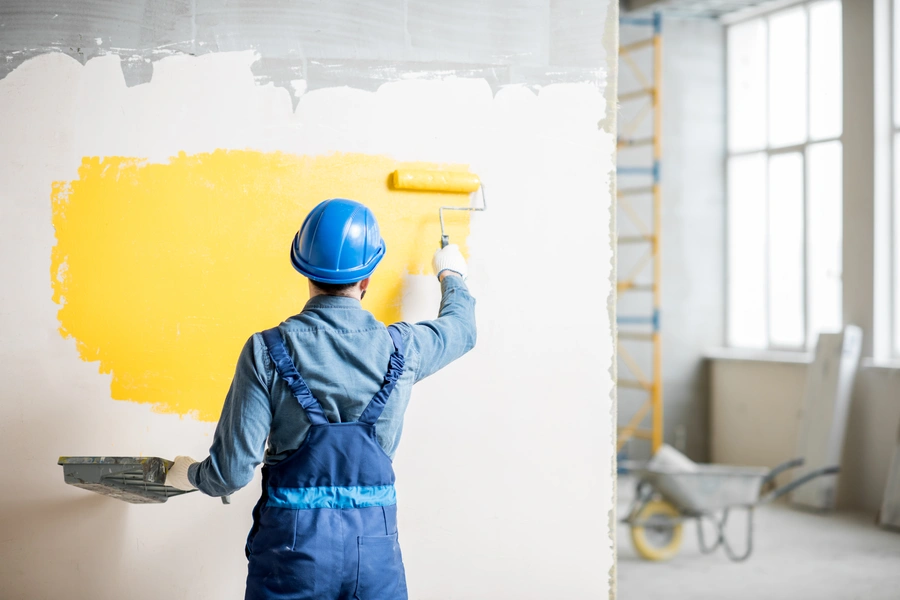
With Key Benefits That Affect Durability and Appearance
A clear painting plan adds value to a new building. It protects surfaces and improves first impressions. When you invest in a structured approach, you reduce waste and rework. Using a professional painting service at the right time helps align paint tasks with other construction phases. This reduces downtime and keeps labor costs steady. Key benefits include consistent color, even coverage, and strong adhesion.
- Better surface protection against moisture and wear
- Clean, uniform finish across rooms and elevations
- Fewer touch-ups during final walkthroughs
With Common Challenges That Cause Delays and Defects
Painting new buildings brings unique challenges. Dust from other trades can ruin fresh coats. Moisture trapped in new drywall can lead to peeling. Poor timing often causes rushed work. When a painting service is scheduled too early, damage may occur from ongoing work. When scheduled too late, it can delay occupancy. These issues raise costs and frustrate owners.
- Surface damage from ongoing construction traffic
- Humidity levels too high for proper drying
- Last-minute color changes or missed areas
With Step by Step Solutions That Keep Projects Moving
Clear steps help reduce risk and keep quality high. Start planning before walls are closed. Coordinate with builders and inspectors. Follow a simple process that fits the build schedule and site conditions. This approach keeps work predictable and easy to track.
- Inspect surfaces and fix defects before any coating
- Clean walls and remove dust or residue
- Apply primer to seal and prepare surfaces
- Apply finish coats after proper drying time
- Inspect and complete touch-ups before handoff
With Best Practices That Improve Results and Longevity
Strong results come from proven habits. Use quality materials suited for new construction. Control airflow and temperature during drying. Keep clear signs to reduce traffic in painted areas. Train crews on product use and safety rules. These steps reduce callbacks and extend finish life.
- Match paint type to surface and room use
- Follow manufacturer drying times
- Document colors and products for future repairs
With Industry Standards and Code Requirements in Mind
New buildings must meet local codes and industry standards. These rules may cover fire ratings, low VOC limits, and surface preparation. VOC means volatile organic compounds, which affect indoor air quality. Many areas require low VOC products for safety. Following standards protects occupants and reduces liability. Always verify requirements before buying materials.
With Cost Factors That Influence Overall Value
Painting costs depend on size, surface type, and finish level. Labor timing also matters. Rework raises expenses fast. Investing in proper prep saves money later. A clean process lowers maintenance needs and protects warranties. When you plan early, you gain better pricing and fewer surprises.
With Clear Next Steps for Professional Support
Based in Kelso, WA, we help builders plan and complete paint work with care. Dreamline Construction focuses on clear schedules, safe products, and reliable finishes. Our crews coordinate with other trades to reduce delays. Call (503) 739-0000 to discuss timelines, materials, and quality goals for your new construction project.